
The historical evolution of gambling a journey through time and chance
The Origins of Gambling
The roots of gambling can be traced back to ancient civilizations, where activities involving chance were often entwined with cultural and spiritual practices. Archaeological evidence suggests that the Chinese were playing games of chance as early as 2300 BC, using rudimentary dice made from bone and wood. This early form of gambling laid the groundwork for future betting activities, as it was used both for entertainment and as a means of divination, reflecting the dual role of chance in human history. An interesting platform to explore modern games is https://gamesnotongamstop.co.uk/review/spins-heaven/, which highlights various online game options.
In ancient Rome, gambling took on a more organized structure. Citizens would often wager on gladiatorial contests and chariot races, marking the transition from informal gambling to more structured betting systems. These early bets reflected not just a desire for entertainment but also a deeper cultural connection to competition and heroism. This fusion of chance and skill began to define the gambling landscape, as spectators sought to test their own luck and judgment against others.
The Middle Ages saw gambling evolve further with the introduction of card games in Europe, which eventually led to the creation of betting houses. Games such as poker and blackjack began to gain popularity, largely among the upper classes. The establishment of these betting houses marked a significant shift, as gambling began to move from private settings to public venues, paving the way for the modern casino and transforming how people engaged with games of chance.
The Rise of Casinos
The term “casino” originated in Italy in the 17th century, deriving from the word “casa,” meaning house. Initially, casinos served as small villas where people would gather for leisure activities, including gambling. As the concept spread throughout Europe, particularly in cities like Venice and Monte Carlo, dedicated establishments began to emerge, offering a variety of games in a single location. This marked the beginning of a new era in gambling, where players could indulge in a luxurious atmosphere while testing their luck and skill.
By the 19th century, casinos had proliferated across Europe and into the Americas, leading to the establishment of iconic venues such as the Casino de Monte-Carlo in Monaco. This era also saw the introduction of roulette and modern slot machines, which further revolutionized gambling. The allure of these games lay not only in the possibility of winning but also in the social experience they offered, drawing in crowds from different walks of life.
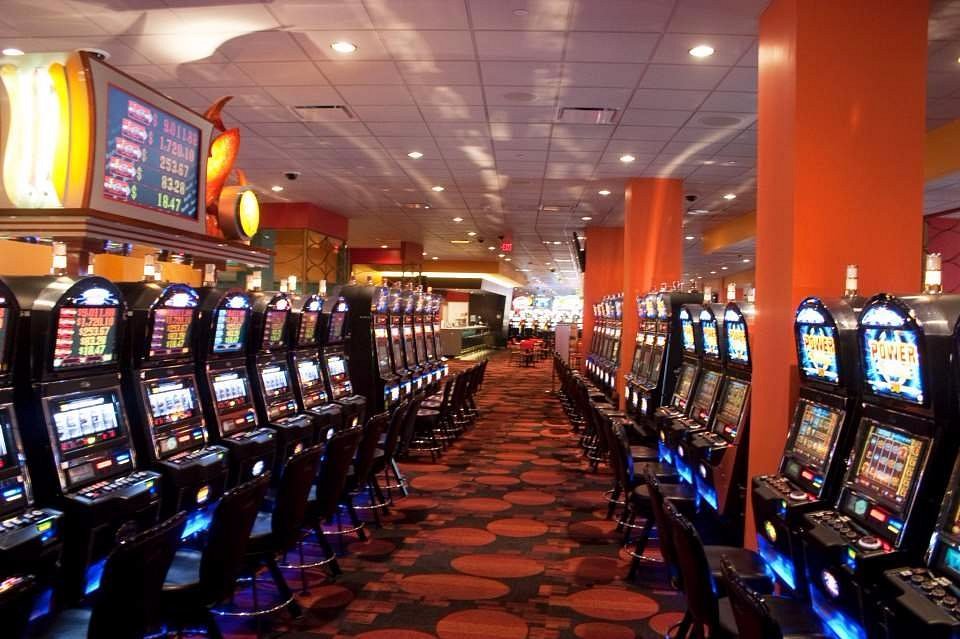
The late 20th century brought about a significant shift with the legalization of casinos in various states within the United States. Las Vegas emerged as the capital of gambling, attracting millions of visitors with its extravagant resorts and diverse gaming options. The combination of chance and skill continued to evolve, as casinos began offering more games that relied heavily on luck, making them accessible to a broader audience. This shift established gambling as a mainstream form of entertainment, significantly impacting global tourism and economies.
The Role of Technology in Gambling
The advent of the internet in the late 20th century transformed gambling once again, giving rise to online casinos that brought games directly into players’ homes. This innovation allowed for unprecedented accessibility, with players able to enjoy their favorite games at any time of day. The proliferation of online gambling platforms democratized the experience, making it possible for anyone with an internet connection to participate in games of chance.
Moreover, technological advancements have led to the development of sophisticated software that simulates realistic gaming environments. Players can now engage in live dealer games, where they experience the excitement of a real casino from the comfort of their own homes. This fusion of technology and gambling not only enhances the experience but also introduces new elements of skill and strategy, influencing how players engage with games.
The rise of mobile technology has further revolutionized gambling, allowing players to place bets via smartphones and tablets. As mobile gaming apps have become increasingly popular, many traditional casinos have adapted by developing their own applications. This convenience has opened up new avenues for gambling, leading to a surge in players who seek quick and easy access to games, thus reshaping the industry once more.
The Balance of Skill and Chance
The dynamic interplay between skill and chance has long been a topic of debate in the gambling community. Games like poker and blackjack are often characterized as skill-based, where a player’s decisions can significantly influence the outcome. Players utilize strategies and techniques, seeking to maximize their chances of winning. In contrast, games such as slots and roulette rely primarily on chance, with players hoping for favorable outcomes without the opportunity to affect the odds.
This balance raises important questions about the nature of gambling itself. Is it merely a game of luck, or can skill influence the results? While chance plays a substantial role, particularly in random number generator games, the ability to read opponents and make informed decisions can significantly impact outcomes in skill-based games. This blend of factors continues to intrigue both casual players and gambling enthusiasts, contributing to the diversity of the gambling landscape.
Moreover, the psychological aspects of gambling are essential in understanding player behavior. While skillful players may have an edge, the thrill of chance often draws individuals to gamble, creating an emotional rollercoaster that can be difficult to resist. This duality of skill and chance defines the modern gambling experience, appealing to a wide range of players who are drawn by the allure of potential rewards while navigating the risks involved.

Exploring Online Gambling Platforms
In the modern digital age, online gambling platforms like Spins Heaven have transformed how players engage with gambling. These platforms offer a diverse array of games, including slots, table games, and live dealer options. Designed for both novice and experienced players, they provide an accessible entry point into the world of online gambling. Easy navigation ensures that users can quickly find their favorite games, enhancing the overall gaming experience.
Security and trust are paramount in online gambling, and platforms like Spins Heaven prioritize these aspects by operating within legal frameworks. Players can enjoy secure payment methods and prompt withdrawal processing, providing peace of mind while they indulge in their gaming pursuits. This commitment to player safety not only attracts new users but also fosters loyalty among existing players, creating a vibrant online community.
Furthermore, the availability of 24/7 customer support on such platforms enhances the user experience, ensuring that any questions or concerns can be addressed promptly. As online gambling continues to grow, platforms like Spins Heaven are at the forefront of this evolution, creating engaging environments that merge chance and skill in innovative ways, all while providing entertainment and rewards for players across the globe.